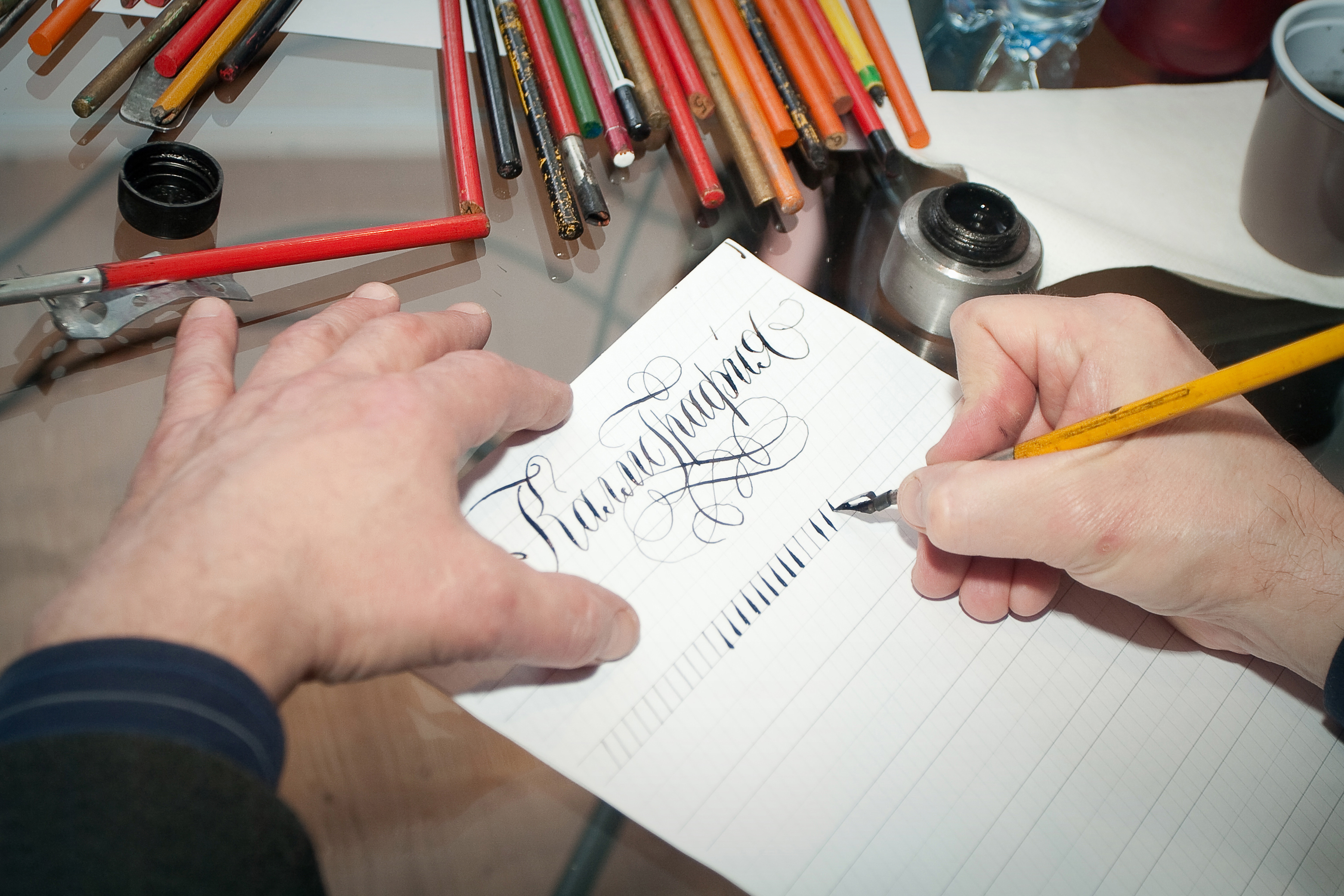
Broad edge and pointed nibs: line weight on cotton paper
Tine pressure, split width, and how a St-Armand sheet records a downstroke.
Updated 4 May 2026 · Toronto editorial desk
Rustic Quill assembles field notes on broad and pointed nibs, open dishes of carbon pigment, and the way cotton sheets accept or reject a line. The copy tracks what readers test in Montréal binderies, Ontario letterpress rooms, and independent practice north of the border, with outside references to national policy pages where they clarify rights and privacy.
Short articles are written in plain Canadian English, cite primary materials where possible, and point to public institutions for legal context.
Tine pressure, split width, and how a St-Armand sheet records a downstroke.

How internal sizing and surface hair change a iron-gall line after five minutes of dry time.

Public calendars list copperplate and modern script study blocks for 2024–2026.
Some 100% cotton drawing papers carry enough internal size to keep iron-gall from feathering, while an unsized cotton blend pulls the same stroke into a ragged hairline. The difference is not a brand slogan; it is the amount of plant gum left in the press. This site keeps the language to what a loupe and a side light can show on a four-centimetre test line.
Read paper noteCopperplate and monoline brush files sit on different parts of a table, but they share a need for even pressure and a dry hand. The forest card is a reminder to label dishes, keep gum arabic away from the cat, and store nibs in a paper envelope so oil from skin does not etch the metal before the first stroke.
Read nib fileLegislation and public commission material are linked as written. They are not restated as legal advice. For complex rights questions, the federal IP hub and the Office of the Privacy Commissioner of Canada carry the official language.
Read federal IP introductionUse the form for typographic references, print defects, or scanned deckle edges. Include a direct telephone string if a voice reply is required for a press problem.